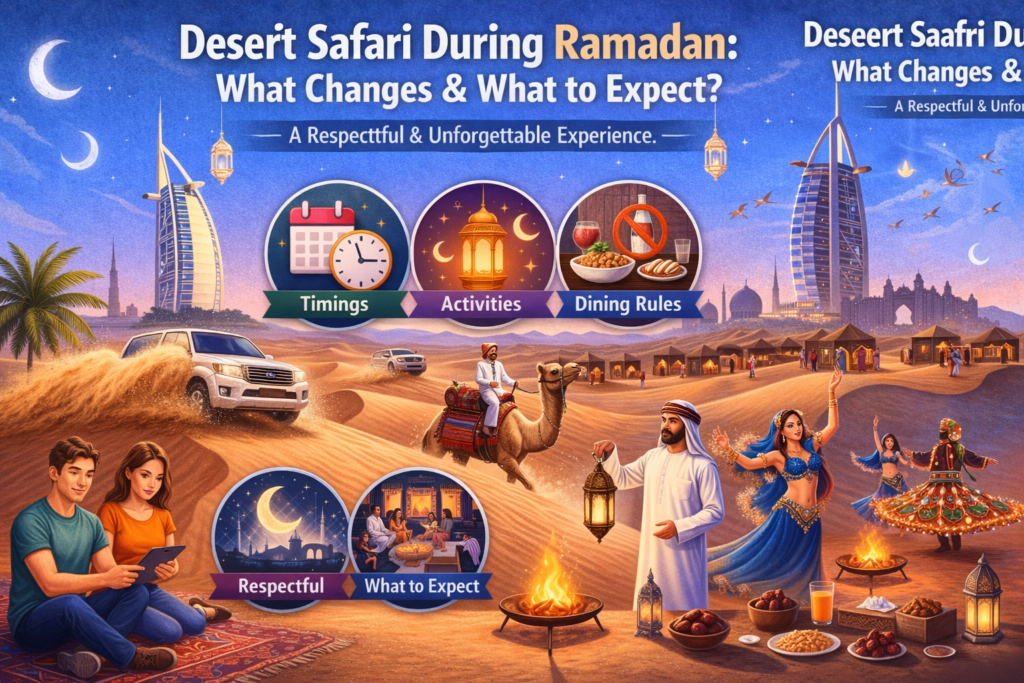
Most people wonder if they can visit the desert during the holy month. Many visitors assume this adventure shuts down completely during the holy month. The reality is more interesting than that. Things change significantly, but the experience can be more unique and special than a regular safari. It operates throughout Ramadan in Abu Dhabi, but understanding the essential operational changes is necessary.
Do Desert Safaris Run During Ramadan?
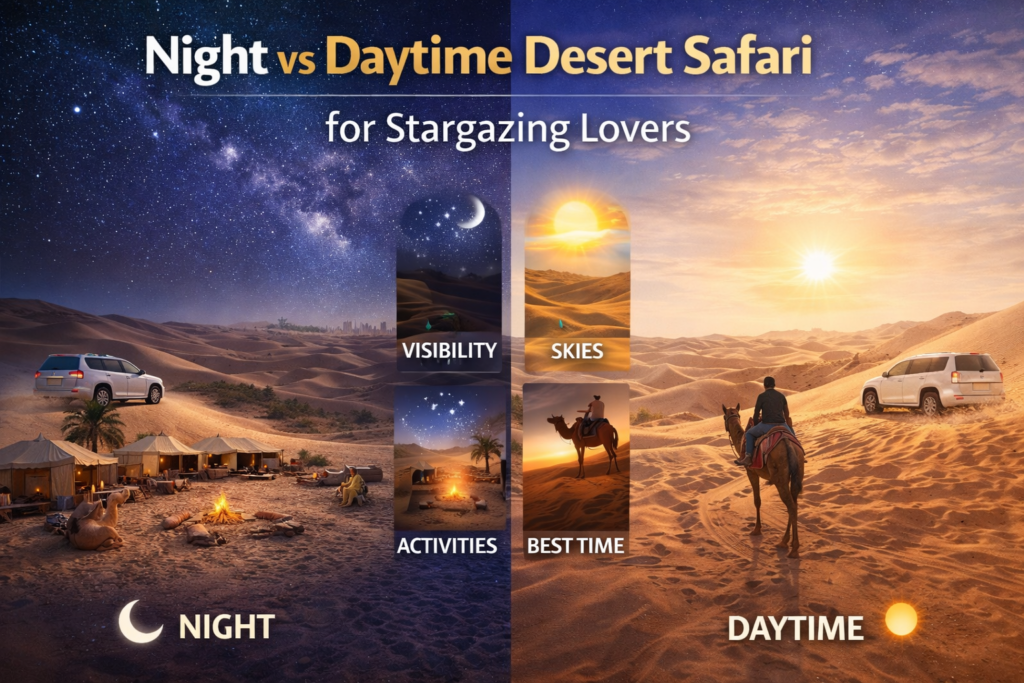
These safaris operate during Ramadan, but with adjustments. Most reputable operators continue running throughout the month. The schedule shifts significantly to respect the holy month and its traditions. Daytime safaris practically disappear as the focus shifts entirely. The timing change actually works in your favor in many ways. Cooler temperatures and a different atmospheric quality make the desert feel more peaceful during this period.
What Activities Are Available?
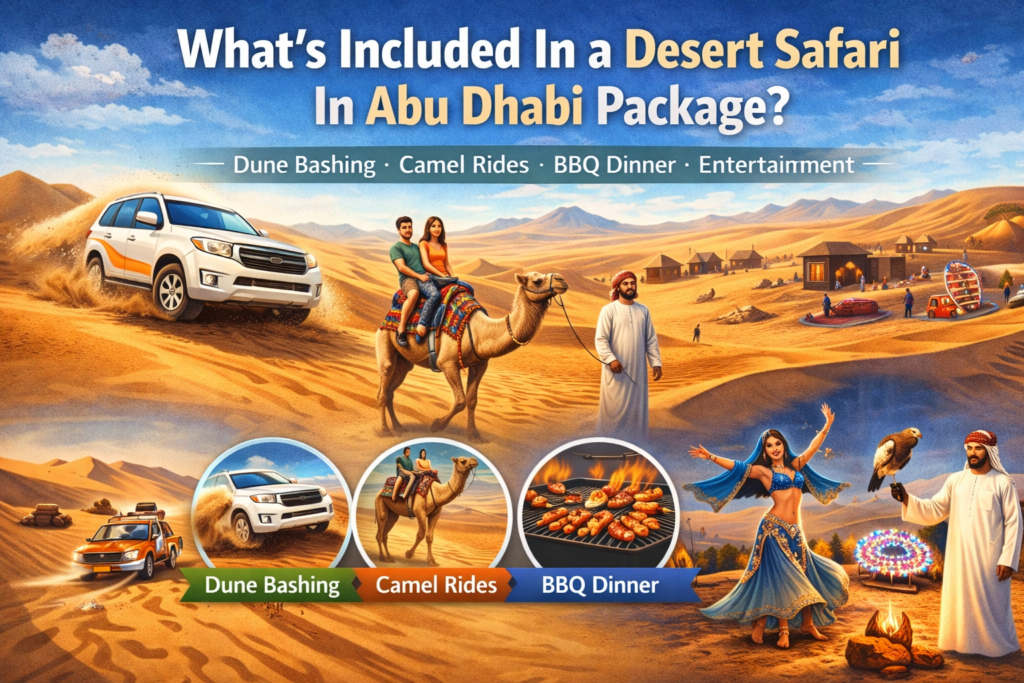
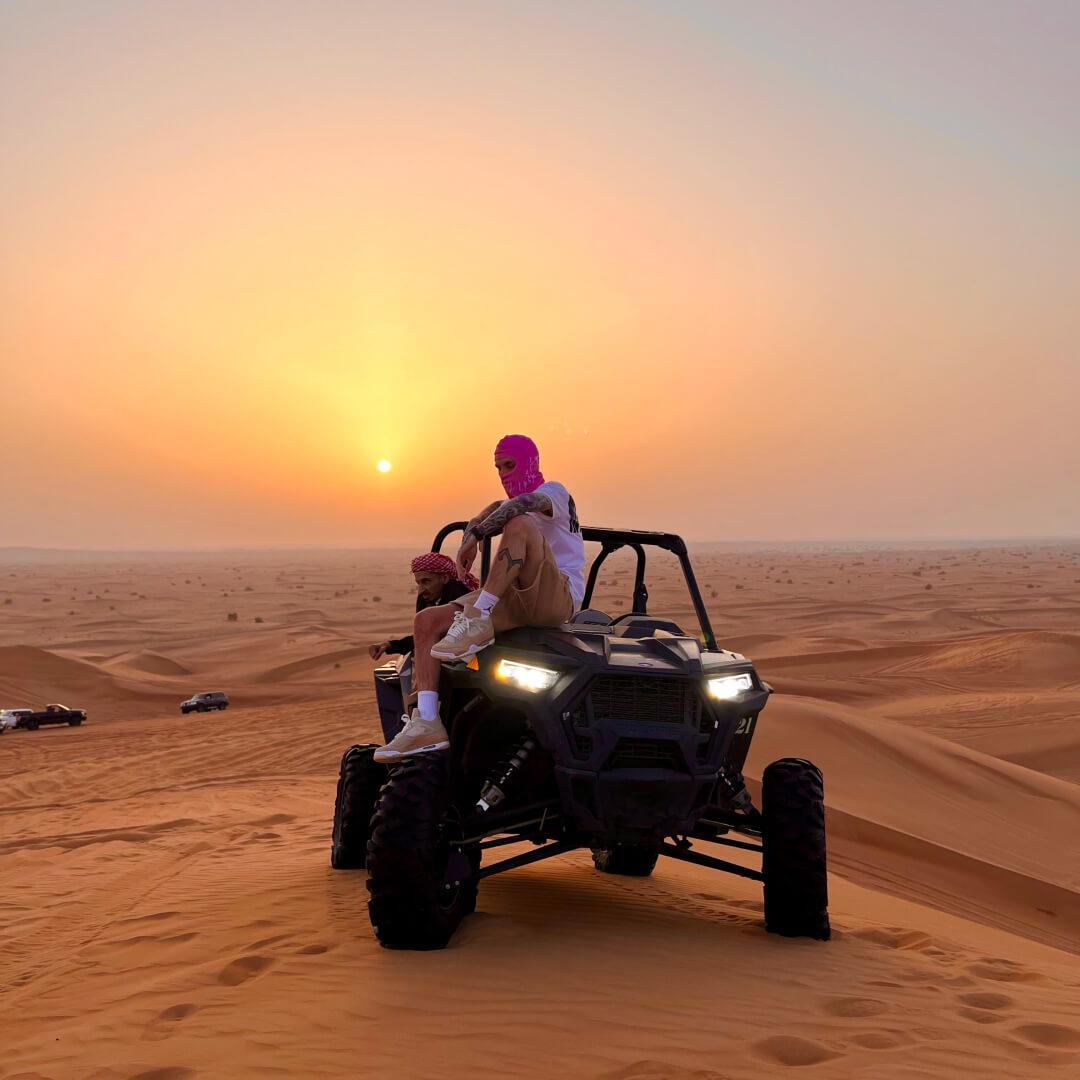
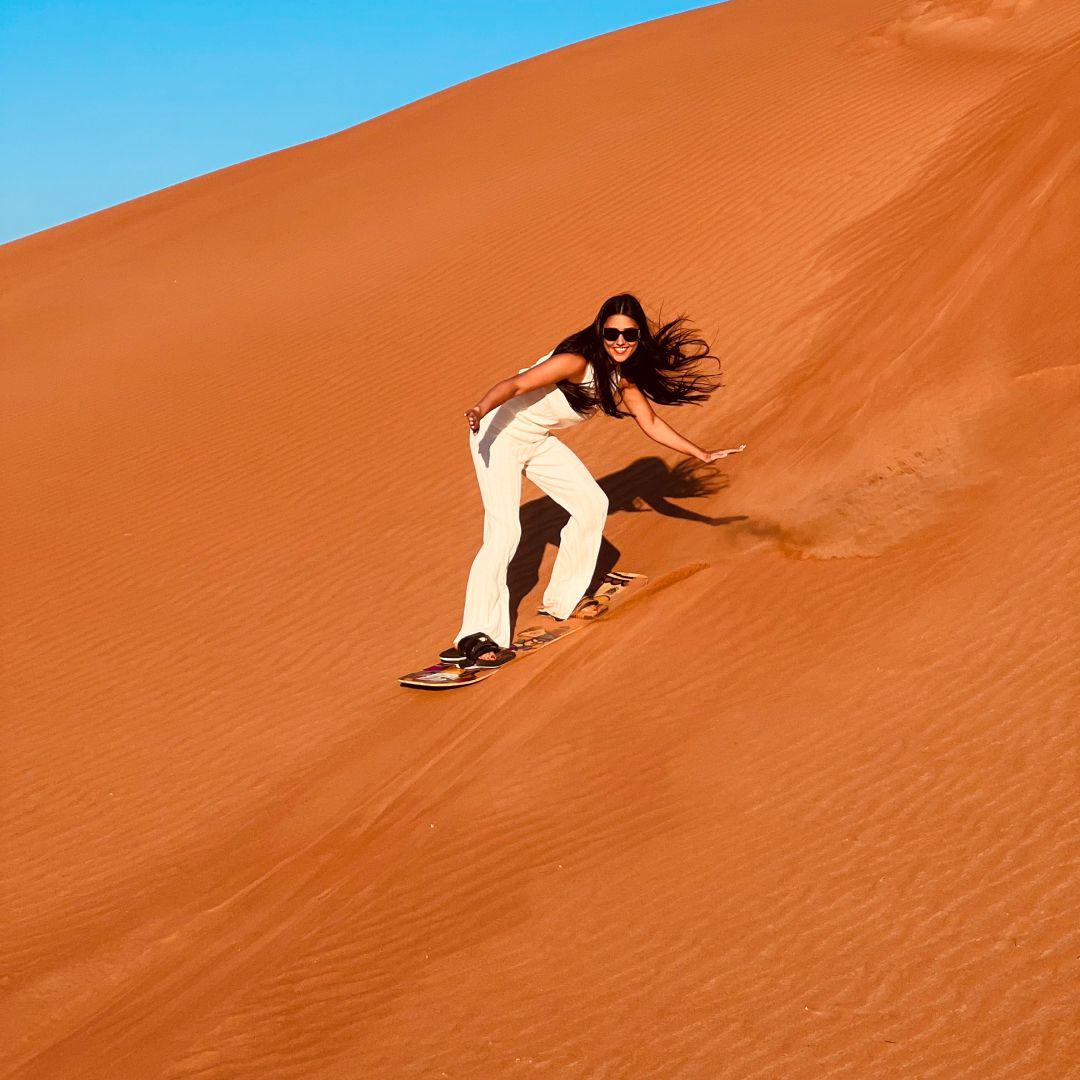
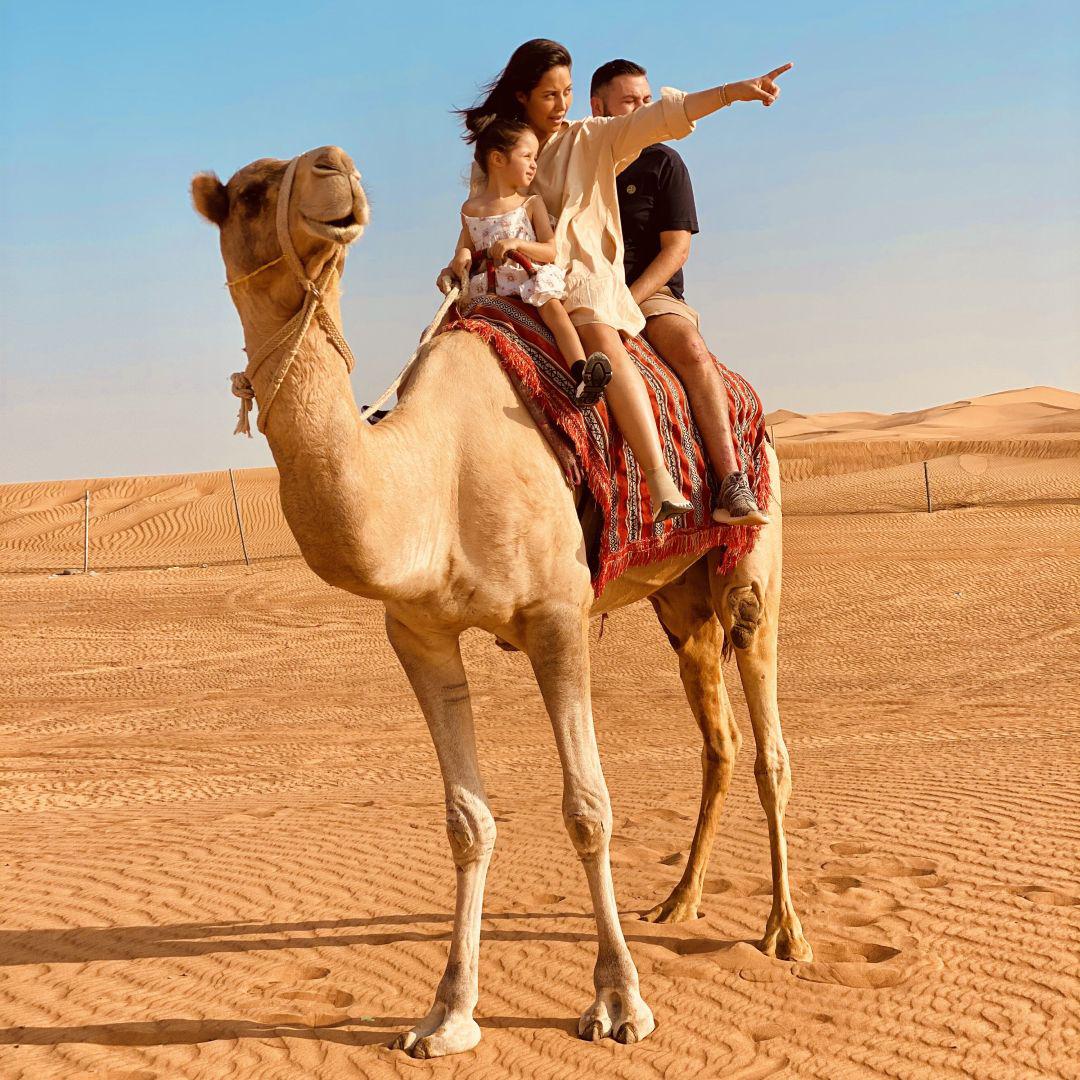
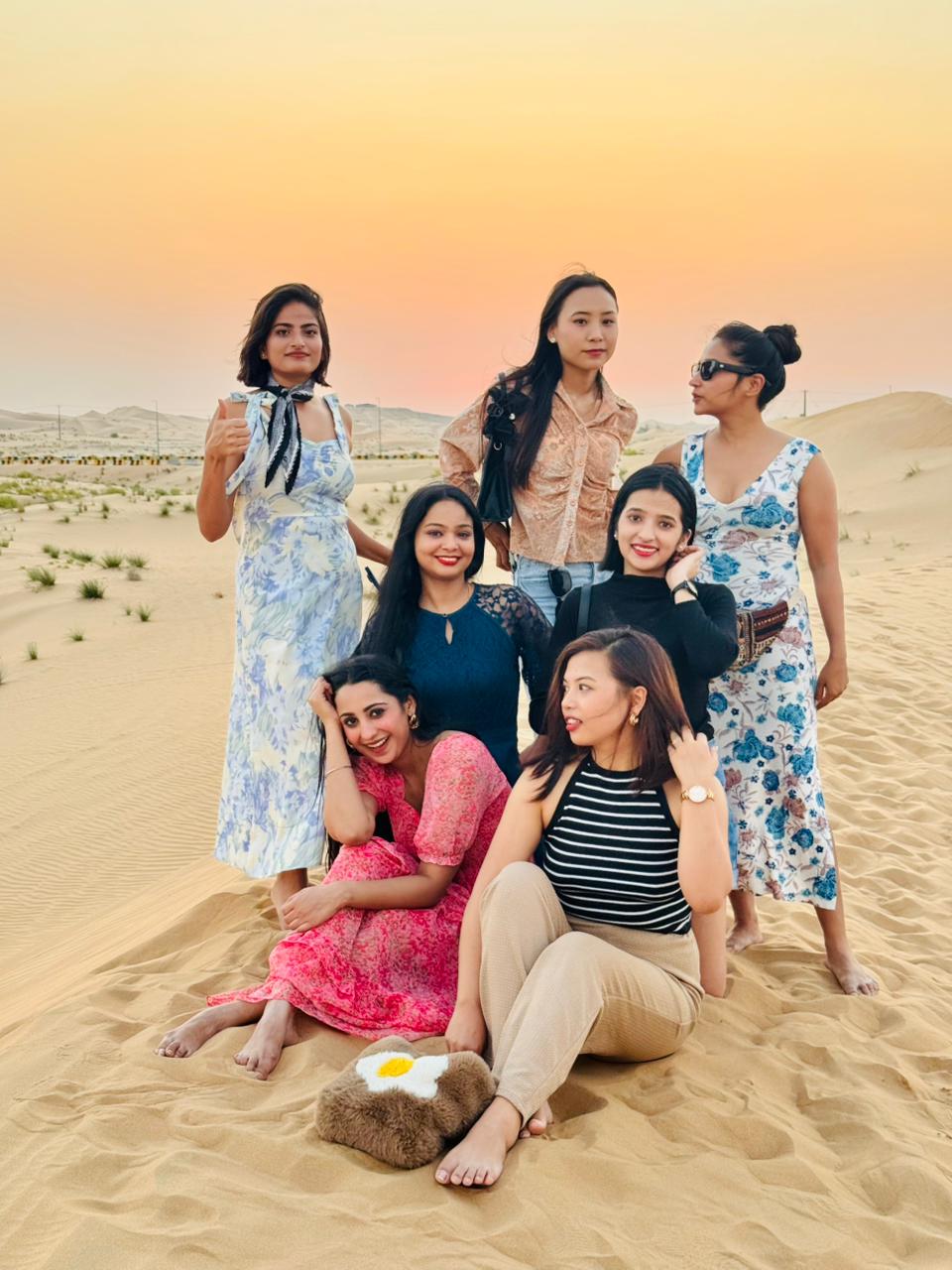
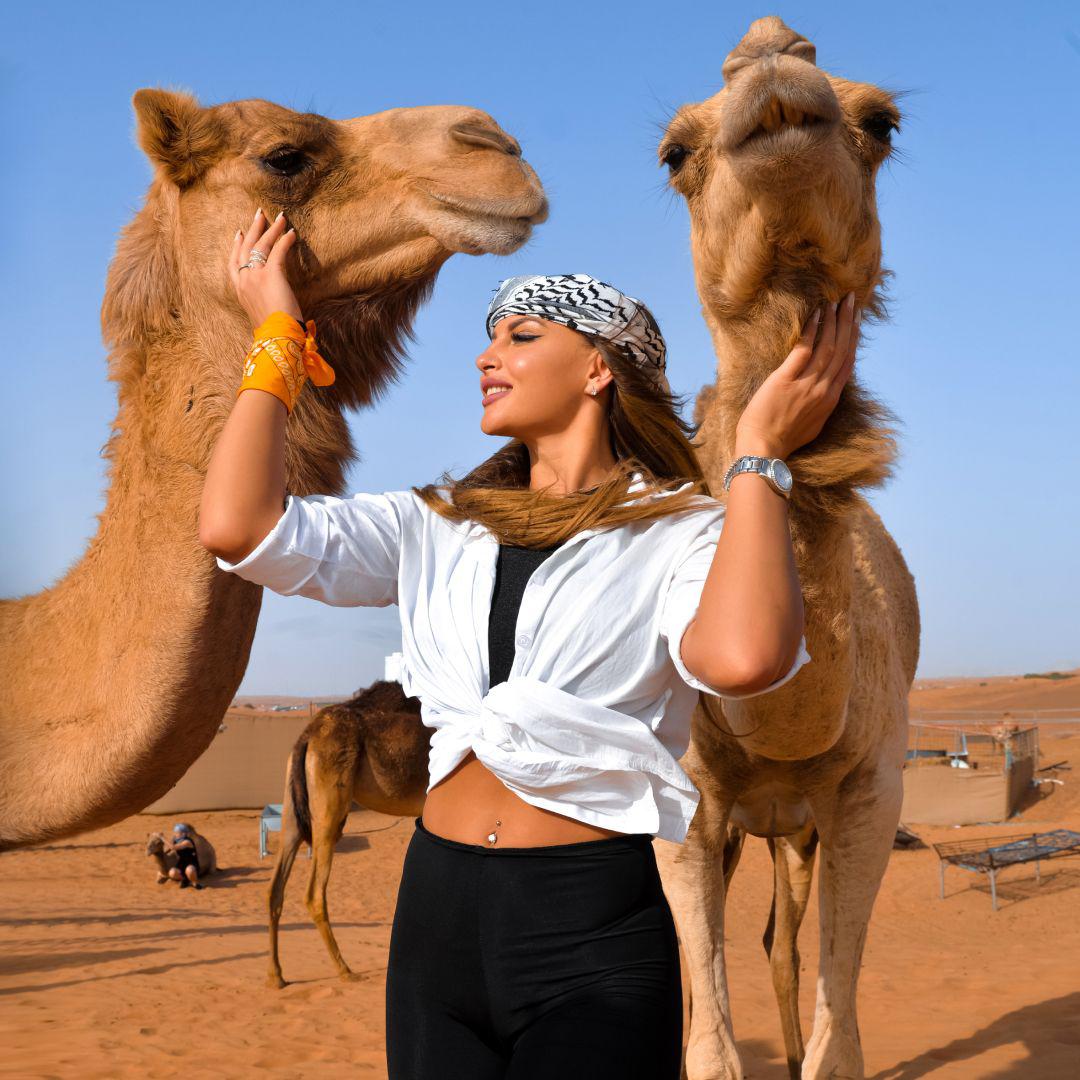
Most core activities continue during Ramadan desert safari experiences with some adjustments. Dune bashing remains fully available once safaris begin after sunset. Camel riding happens at camp as usual under the beautiful night sky. Henna painting continues as a cultural activity at all camps. Photography opportunities shift from golden hour to night and stargazing shots. The activities that remain feel more relaxed and unhurried than in peak season.
Entertainment and Cultural Shows
Entertainment changes during the holy month of Ramadan. Belly dancing shows might be toned down or replaced entirely at certain camps. Tanoura shows often continue as they have spiritual and cultural roots. Traditional music and Quran recitations sometimes replace standard entertainment. The cultural authenticity during Ramadan increases significantly. Some visitors find the more subdued, respectful atmosphere more meaningful. If entertainment performances are important to you, check with operators before booking.
Food and Dining Differences
Food during Ramadan desert safari experiences changes both in timing and variety. Dinner occurs later, which reflects the Iftar and Suhoor meal culture. The menus often feature more traditional Emirati dishes than usual. Special Ramadan foods appear that you won’t find on regular desert safari menus. The overall dining experience feels more culturally authentic during this period.
Changes in Entertainment
The holy month prevents certain dance performances from happening during this period. During a Desert Safari during Ramadan, you may notice:
- No loud music or belly dance performances
- A calmer and more peaceful camp atmosphere
- Reduced entertainment activities
- Focus on cultural and traditional hospitality
The experience feels more relaxed and spiritual compared to regular safari evenings.
Conclusion
The desert offers unique experiences throughout the year, while Ramadan brings its visitors a tranquil experience to discover local culture. The activities continue with some adjustments. Iftar at a desert camp represents one of the most culturally rich experiences possible. Food becomes more traditionally Emirati, and the overall atmosphere is more authentic. Carry patience as timing can be less predictable during Ramadan. Download a prayer time app so you understand the schedule around you. Show genuine curiosity and ask guides about Ramadan traditions. Most guides love sharing the meaning behind the month with interested visitors.